Technology
Modern irrigation decisions are often based on soil moisture, weather models, or fixed schedules—but plants do not always respond to water availability in predictable ways.
Link Agriculture Technologies focuses on measuring the plant itself.
Our technology captures real-time changes in plant tissue that directly reflect water status, growth, and physiological response to environmental conditions.
By monitoring how plants actually respond to irrigation and climate, we enable more accurate, responsive, and efficient water management strategies.
The Problem
- Soil moisture sensors
- Weather-based evapotranspiration models
- Timed irrigation schedules
- Visual inspection or manual weighing
- Diurnal plant water dynamics
- Canopy variability and microclimate effects
- Rapid plant responses to environmental changes
- Differences between soil water availability and plant uptake
Plant-Based Sensors
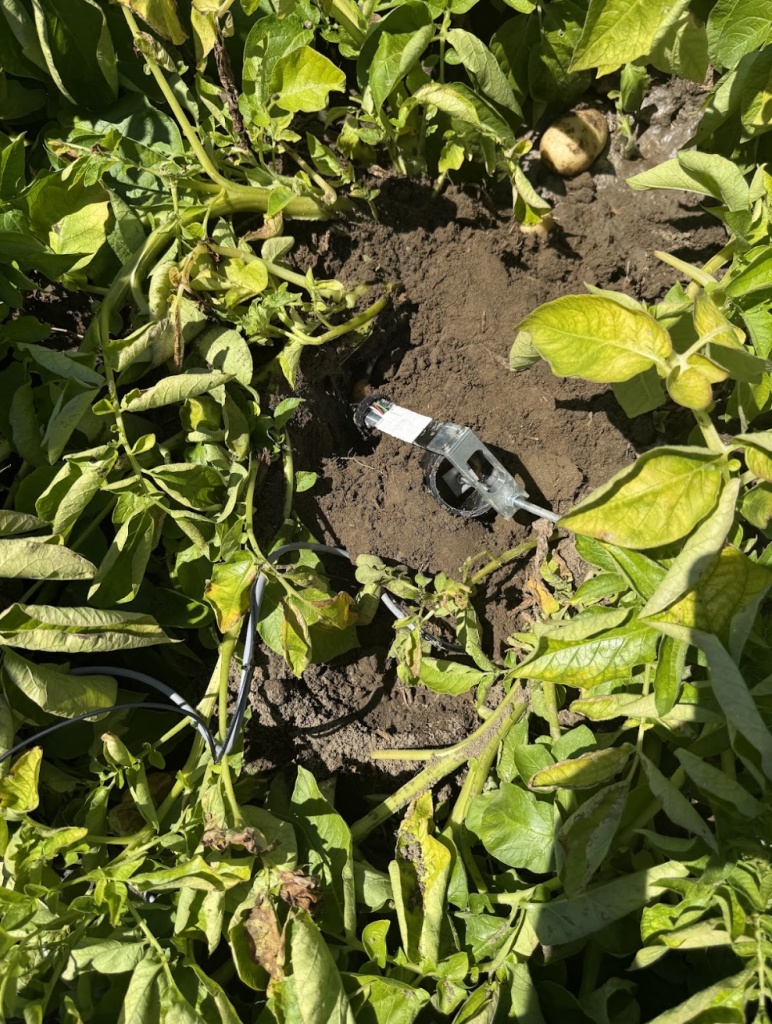
- Leaf water potential
- Plant hydration status
- Growth rates
- Short-term stress responses
- Non-destructive and continuous
- Sensitive to both growth and water stress
- Applicable to stems, fruit, and plant tissue
- Validated across different plant sizes and growth stages
- Effective in field, orchard, nursery, and greenhouse settings
Monitoring & Data Systems
- Diurnal expansion and contraction of plant tissue
- Growth trends over days, weeks, or seasons
- Immediate responses to irrigation events
- Environmental impacts such as temperature and solar radiation
- Identify stress before visual symptoms appear
- Understand canopy and plant variability
- Compare irrigation strategies under real conditions
- Generate actionable insights for both research and production systems
Irrigation Control Logic
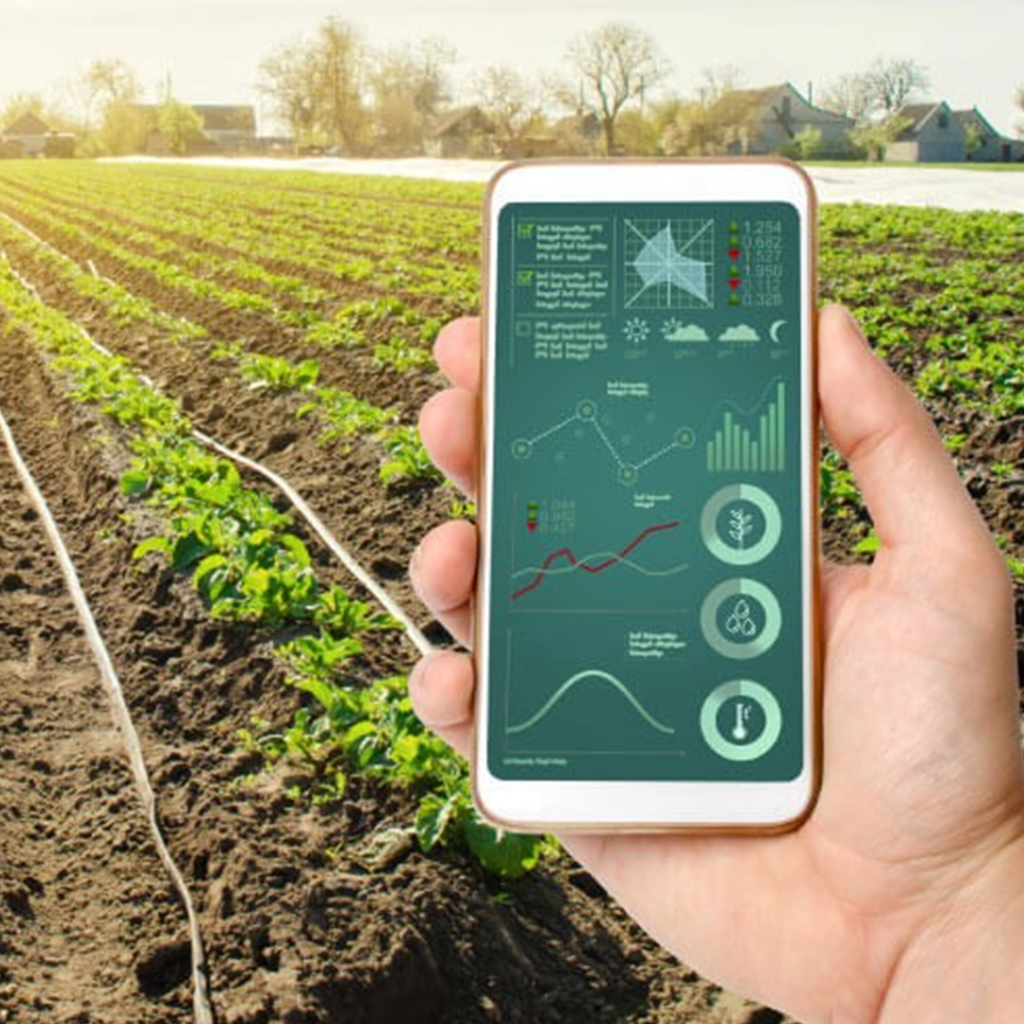
- Triggering irrigation based on plant water status thresholds
- Adjusting irrigation frequency and timing dynamically
- Supporting regulated deficit irrigation strategies
- Automating greenhouse irrigation in small containers
- Reducing over-watering and water stress events
What Makes This Technology Different
- Focus on plant physiology, not just soil or weather
- Proven correlation between sensor signals and leaf water potential
- Validated placement strategies within plant canopies
- Effective in both production and experimental settings
- Backed by multi-year field trials and peer-reviewed research
Practical Outcomes
Supported by Research
- Continuous, non-destructive measurement of stem and fruit growth
- Correlation of plant tissue dynamics with leaf water potential
- Sensor-driven irrigation control in orchards and greenhouses
- Field validation across multiple crops and environments
Explore How Plant-Based Sensing Can Improve Your System
Whether you are managing irrigation, conducting research, or developing new agricultural technologies, our plant-centered approach offers a deeper level of insight.
Let’s discuss how this technology can be applied to your crops, systems, or research goals.